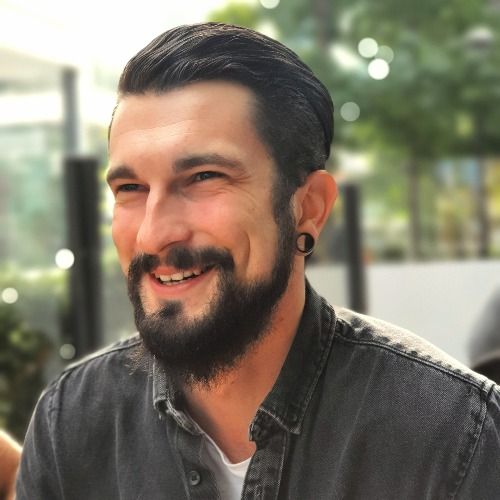
Ted Drake - Head of Accessibility and Inclusive Design @ Intuit
The Digital Accessibility Podcast – Ted Drake
In this episode of The Digital Accessibility Podcast, Joe is joined by Ted Drake, Global Head of Accessibility and Inclusive Design at Intuit, where he leads accessibility strategy across products used by millions of people worldwide.
Ted shares his journey into accessibility, from building websites in the early 2000s with no formal coding background to becoming one of the most respected accessibility leaders in the industry. He reflects on how curiosity, creativity, and a passion for inclusive experiences helped shape his career and approach to leadership.
Throughout the conversation, we explore what it really takes to embed accessibility at scale inside a global technology organisation, and how accessibility leaders can influence culture, product development, and long-term business strategy.
We also discuss the rapidly evolving role of AI in accessibility, including both the opportunities it creates and the risks the industry and its users needs to be aware of moving forward.
We discuss:
- A non-traditional path into accessibility: How Ted transitioned from a fine art background into digital accessibility and inclusive design.
- Accessibility at scale: What it takes to embed accessibility across product, engineering, design, and organisational culture.
- Inclusive design leadership: Why accessibility should be viewed as a business and human-centered strategy, not simply compliance.
- Driving organisational change: How to influence teams, build momentum, and sustain accessibility practices inside large companies.
- AI and accessibility: The opportunities artificial intelligence presents for improving accessibility, alongside the potential risks and ethical considerations.
- The future of accessibility: Ted’s perspective on where the industry is heading and the importance of continuing to evolve accessibility practices alongside technology.
Ted also shares valuable insight into the importance of persistence, collaboration, and maintaining a strong focus on the real people accessibility is designed to support.
Follow Ted Drake:
LinkedIn: https://www.linkedin.com/in/draket/
Website: https://www.last-child.com/
Follow Joe James:
LinkedIn: https://www.linkedin.com/in/joeajames/
Twitter (X): @A11yJoe
PCR Website: www.pcrdigital.com
Resource links:
Your undivided Attention Podcast:
https://open.spotify.com/show/4KI3PtZaWJbAWK89vgttoU?si=36e3beefc3ba49a9
Little, Yellow, Different, Ernie Hsiung:
Transcript
Speaker: Welcome back to the Digital Accessibility podcast.
Speaker:Speaker: If you're looking to learn more about the field of
Speaker:Speaker: accessibility, how to implement it within your role or your
Speaker:Speaker: company, or to get advice on where to start or see how others
Speaker:Speaker: have navigated complex issues that you may find along the way,
Speaker:Speaker: then you're in the right place.
Speaker:Speaker: I'm honored to be able to share these insightful chats with
Speaker:Speaker: thought leaders, advocates, and practitioners of digital
Speaker:Speaker: accessibility throughout this podcast, and I hope you'll find
Speaker:Speaker: it a useful resource.
Speaker:Speaker: As always, thank you so much for listening, and I hope you
Speaker:Speaker: enjoyed the chat.
Speaker:Speaker: Today's guest is someone who's
Speaker:Speaker: been helping to shape the
Speaker:Speaker: accessibility industry for many
Speaker:Speaker: years, and is currently leading
Speaker:Speaker: accessibility at one of the
Speaker:Speaker: world's most influential
Speaker:Speaker: technology companies.
Speaker:Speaker: I'm joined by Ted Drake, global Head of accessibility and
Speaker:Speaker: inclusive design at Intuit, where he leads the strategy for
Speaker:Speaker: building inclusive products across platforms used by
Speaker:Speaker: millions of people Worldwide.
Speaker:Speaker: Ted spent his career driving
Speaker:Speaker: accessibility forwards across
Speaker:Speaker: major organisations, including
Speaker:Speaker: Intuit, where he's worked to
Speaker:Speaker: embed accessibility into product
Speaker:Speaker: development, engineering,
Speaker:Speaker: culture and design practices at
Speaker:Speaker: scale.
Speaker:Speaker: He's also a longtime advocate
Speaker:Speaker: for inclusive design,
Speaker:Speaker: accessibility, leadership and
Speaker:Speaker: the role that technology can
Speaker:Speaker: play in creating more equitable
Speaker:Speaker: digital experiences.
Speaker:Speaker: We're going to explore Ted's
Speaker:Speaker: journey into accessibility, how
Speaker:Speaker: Intuit approaches accessibility
Speaker:Speaker: at scale, and importantly, how
Speaker:Speaker: AI is beginning to influence the
Speaker:Speaker: future of digital accessibility,
Speaker:Speaker: both the opportunities and the
Speaker:Speaker: risks.
Speaker:Speaker: Ted, welcome to the podcast.
Speaker:Speaker: Hey, thank you so much.
Speaker:Speaker: So as we always do with our episodes, uh, like to try and
Speaker:Speaker: start at the beginning.
Speaker:Speaker: Um, so the question is always around what originally led you
Speaker:Speaker: into accessibility or inclusive design and how that sort of
Speaker:Speaker: journey has, has sort of ended up in you becoming global head
Speaker:Speaker: of accessibility at Intuit.
Speaker:Speaker: Yeah, sometimes I think my story is kind of boring because
Speaker:Speaker: there's not a big aha moment, but it does go back to two
Speaker:Speaker: thousand, year two thousand.
Speaker:Speaker: Um, I had a degree in fine art, and so I was working for the art
Speaker:Speaker: museum in San Diego, but on the side, I was building websites,
Speaker:Speaker: uh, for friends and for other companies using a really simple
Speaker:Speaker: Wysiwyg editor called my website builder or something like that.
Speaker:Speaker: I didn't know how to code, but I knew the structure, purpose,
Speaker:Speaker: things like that.
Speaker:Speaker: So when the museum needed a new
Speaker:Speaker: website manager, I raised my
Speaker:Speaker: hand and said, hey, I could do
Speaker:Speaker: this.
Speaker:Speaker: And they gave me the opportunity.
Speaker:Speaker: So as soon as I started doing that, I started to learn about,
Speaker:Speaker: um, the Ada and I started to learn about accessibility was
Speaker:Speaker: something that was required because the museum is a
Speaker:Speaker: government funded entity.
Speaker:Speaker: But if you think about two thousand, that's when everything
Speaker:Speaker: was table based layouts.
Speaker:Speaker: Everybody was really excited about a book called Creating
Speaker:Speaker: Killer Websites, which essentially threw accessibility
Speaker:Speaker: into the garbage dump.
Speaker:Speaker: Um, I, wcaG one point zero, I
Speaker:Speaker: think was at that time, uh, we
Speaker:Speaker: were still having badges on our
Speaker:Speaker: website that said works with
Speaker:Speaker: Netscape Navigator four point
Speaker:Speaker: seven.
Speaker:Speaker: You know, instead of all of this
Speaker:Speaker: stuff, it was a nightmare of
Speaker:Speaker: times.
Speaker:Speaker: So knowing that I had to be accessible, but actually doing
Speaker:Speaker: it were two different things.
Speaker:Speaker: And so by being the website
Speaker:Speaker: manager, I started to learn more
Speaker:Speaker: and more.
Speaker:Speaker: And it was shortly after that
Speaker:Speaker: that, uh, the standards based
Speaker:Speaker: web development community
Speaker:Speaker: started developing.
Speaker:Speaker: And so I jumped into that pretty quickly and, uh, learning about
Speaker:Speaker: like, how do we throw away all this junk that we've been doing
Speaker:Speaker: and start over from scratch?
Speaker:Speaker: Now, to give you an idea, our
Speaker:Speaker: website had this really cool
Speaker:Speaker: beveled edge to the left
Speaker:Speaker: navigation.
Speaker:Speaker: That really cool beveled edge
Speaker:Speaker: was created with a table, and
Speaker:Speaker: each of the those little
Speaker:Speaker: gradations was a different
Speaker:Speaker: spacer gif with a background
Speaker:Speaker: color.
Speaker:Speaker: So just to load that page, we probably had like five hundred
Speaker:Speaker: spacer GIFs and each one had no alt text, no alt attribute
Speaker:Speaker: because we didn't know anything about those things.
Speaker:Speaker: So you can imagine like hearing
Speaker:Speaker: spacer, spacer, spacer, spacer
Speaker:Speaker: all day long with the standards
Speaker:Speaker: based web development, I was
Speaker:Speaker: able to say, hey, here's a
Speaker:Speaker: background image, here's a list
Speaker:Speaker: item.
Speaker:Speaker: We now have a navigation, you
Speaker:Speaker: know, it's went from thousands
Speaker:Speaker: of line of codes down to quite
Speaker:Speaker: small.
Speaker:Speaker: We were learning like, let's do things correctly.
Speaker:Speaker: Um, after the museum, I went to a couple other companies that
Speaker:Speaker: were teaching, and I was teaching the other developers,
Speaker:Speaker: and I was building the templates to be, uh, standards based and
Speaker:Speaker: learning from all of our, all of our colleagues and mentors.
Speaker:Speaker: It was a really, really great, uh, community of people that
Speaker:Speaker: were standards based.
Speaker:Speaker: So one day I got a call from
Speaker:Speaker: yahoo and of course, you know,
Speaker:Speaker: you take a call from yahoo back
Speaker:Speaker: then.
Speaker:Speaker: And, uh, I joined yahoo as a front end engineer.
Speaker:Speaker: And then it's like being
Speaker:Speaker: surrounded by the best
Speaker:Speaker: developers everywhere.
Speaker:Speaker: It was unbelievable.
Speaker:Speaker: The people I was working with and learning from.
Speaker:Speaker: And, um, you didn't even get an interview if you didn't know
Speaker:Speaker: accessibility at that point.
Speaker:Speaker: Uh, because the front end engineering community at yahoo
Speaker:Speaker: was the core of front end engineering around the world.
Speaker:Speaker: And you were expected to know certain things.
Speaker:Speaker: Um, so getting into yahoo, um, I
Speaker:Speaker: was able to co-found the
Speaker:Speaker: accessibility stakeholders
Speaker:Speaker: group, which taught like from a
Speaker:Speaker: ground up how to get people
Speaker:Speaker: involved.
Speaker:Speaker: Um, one of the cool things we
Speaker:Speaker: did was an alt campaign where we
Speaker:Speaker: created the documentation and
Speaker:Speaker: the cheat sheets and everything,
Speaker:Speaker: and we passed it out to the
Speaker:Speaker: entire yahoo!
Speaker:Speaker: And in one week we solved about
Speaker:Speaker: seventy five percent of image
Speaker:Speaker: alt text across all of the alt
Speaker:Speaker: yahoo properties.
Speaker:Speaker: That was something that we did
Speaker:Speaker: that became the Yahoo
Speaker:Speaker: Accessibility Lab.
Speaker:Speaker: And then from there, I moved on
Speaker:Speaker: to into about fourteen years
Speaker:Speaker: ago, um, and was kind of given,
Speaker:Speaker: uh, I, my manager from yahoo was
Speaker:Speaker: at Intuit and she knew and
Speaker:Speaker: respected me.
Speaker:Speaker: So she basically gave me carte blanche to say, do whatever
Speaker:Speaker: needs to be done for accessibility it into it.
Speaker:Speaker: And that was fourteen years ago.
Speaker:Speaker: I mean, you'd clearly proven yourself by that point with, uh,
Speaker:Speaker: everything you've been achieving at yahoo, right?
Speaker:Speaker: So it's, uh, no, uh, incredible story.
Speaker:Speaker: And, um, something that is very
Speaker:Speaker: familiar, I suppose, with
Speaker:Speaker: everyone I speak to in this
Speaker:Speaker: space is that I don't think
Speaker:Speaker: everyone goes, wakes up and
Speaker:Speaker: goes, I'm going to be an
Speaker:Speaker: accessibility professional.
Speaker:Speaker: That's exactly what I want to do.
Speaker:Speaker: It kind of feels like it's, um, something that you arrive at
Speaker:Speaker: once you have when you start deeply thinking about users and
Speaker:Speaker: about, you know, who it really affects rather than, um, yeah, I
Speaker:Speaker: guess a lot of people might think, oh, do gooders, but no,
Speaker:Speaker: it's, it's, you know, you're thinking really deeply and
Speaker:Speaker: innovating, aren't you?
Speaker:Speaker: Yeah.
Speaker:Speaker: And I've got a couple of things about that.
Speaker:Speaker: When I first started accessibility and standards
Speaker:Speaker: based web development, it was about having pride in your code.
Speaker:Speaker: It was about, I'm going to handcraft these pages so that
Speaker:Speaker: they are perfect.
Speaker:Speaker: Yeah.
Speaker:Speaker: But I never really worked with anybody that was disabled or met
Speaker:Speaker: customers that were disabled until I got to yahoo.
Speaker:Speaker: And when I got to yahoo, that's
Speaker:Speaker: when theory and reality came
Speaker:Speaker: together.
Speaker:Speaker: And that's when I realized that the stuff we were doing actually
Speaker:Speaker: mattered and and the kind of impact we could have.
Speaker:Speaker: There was another thing that happened in my career, and this
Speaker:Speaker: was in twenty sixteen.
Speaker:Speaker: Um, Matt May.
Speaker:Speaker: He was at Adobe at the time and
Speaker:Speaker: he posted a tweet and it said,
Speaker:Speaker: watching a blind advocate tell
Speaker:Speaker: someone with another disability
Speaker:Speaker: to center blind issues first and
Speaker:Speaker: wait for the benefits to trickle
Speaker:Speaker: down.
Speaker:Speaker: Wow.
Speaker:Speaker: That was the tweet that he shared.
Speaker:Speaker: And that hit me like a brick wall.
Speaker:Speaker: And so that started me on my
Speaker:Speaker: journey of trickle down
Speaker:Speaker: accessibility back in twenty
Speaker:Speaker: sixteen, where I have been
Speaker:Speaker: focusing on what are the
Speaker:Speaker: elements, the edges of the
Speaker:Speaker: disability community that are
Speaker:Speaker: often ignored.
Speaker:Speaker: Yeah.
Speaker:Speaker: Um, and that's over the years.
Speaker:Speaker: That's included things like
Speaker:Speaker: brain fog, um, sickle cell
Speaker:Speaker: disease, uh, we've been dealing
Speaker:Speaker: with, um, cognitive load, uh,
Speaker:Speaker: trauma informed principles, uh,
Speaker:Speaker: neurodiversity, obsessive
Speaker:Speaker: compulsive, uh, all of these
Speaker:Speaker: things are not solved by making
Speaker:Speaker: something work for a screen
Speaker:Speaker: reader.
Speaker:Speaker: And yet that's really what the community has done for the
Speaker:Speaker: majority of the last twenty five years is like, how do we solve
Speaker:Speaker: for a screen reader?
Speaker:Speaker: And I'm not saying that we don't
Speaker:Speaker: want to solve for a screen
Speaker:Speaker: reader.
Speaker:Speaker: I'm just saying that solving for
Speaker:Speaker: a screen reader doesn't solve
Speaker:Speaker: for everybody.
Speaker:Speaker: I'm pleased you put the caveat in there.
Speaker:Speaker: I would have done it for you anyway, because I know that's
Speaker:Speaker: not what you're trying to get at, but, um, the, um, it's I
Speaker:Speaker: hear that an awful lot.
Speaker:Speaker: It's like if it works with a
Speaker:Speaker: screen reader, you're pretty
Speaker:Speaker: much there.
Speaker:Speaker: It's like, huh.
Speaker:Speaker: Yeah, maybe not, but amazing.
Speaker:Speaker: It's, um, it's incredible journey.
Speaker:Speaker: I'm going to have to move on to our second question because, um,
Speaker:Speaker: I'm not going to get through half a day.
Speaker:Speaker: Um, so, um, for those who aren't aware, and they will be into.
Speaker:Speaker: It is obviously a huge, huge
Speaker:Speaker: organization responsible for
Speaker:Speaker: products used by millions of
Speaker:Speaker: people globally.
Speaker:Speaker: Could it be billions?
Speaker:Speaker: I'll leave it at millions anyway because that could be the
Speaker:Speaker: hundreds of millions.
Speaker:Speaker: Um, there are financial tools,
Speaker:Speaker: small business platforms, etc..
Speaker:Speaker: Um, so I can imagine embedding
Speaker:Speaker: accessibility.
Speaker:Speaker: I mean, you've been at yahoo, but embedding accessibility at
Speaker:Speaker: that scale is no small feat.
Speaker:Speaker: Um, so how, how would you say
Speaker:Speaker: that you're approaching building
Speaker:Speaker: it into such a large product
Speaker:Speaker: ecosystem?
Speaker:Speaker: Are there any sort of key ingredients is required or, um,
Speaker:Speaker: I guess moving it from just being compliance based and then
Speaker:Speaker: something that's embedded in the way things are designed?
Speaker:Speaker: Yeah.
Speaker:Speaker: I came to into it because they had a reputation for being a
Speaker:Speaker: customer centered, and I'm still at Intuit because they have a
Speaker:Speaker: focus on customer centered.
Speaker:Speaker: And what I mean by that is, as an accessibility leader at
Speaker:Speaker: Intuit, I've never really done business justifications, uh,
Speaker:Speaker: cost benefit analysis.
Speaker:Speaker: It's always been about who's the customer.
Speaker:Speaker: Um, how is this bug impacting the customer?
Speaker:Speaker: Um, how do we solve it?
Speaker:Speaker: Um, and how do we avoid doing this again in the future?
Speaker:Speaker: It's, it's always been now we might have to prioritize.
Speaker:Speaker: You know, there's something that's affecting a million users
Speaker:Speaker: that might have to get done right away, but it's not about
Speaker:Speaker: showing that if I solve this bug, that it increases the, uh,
Speaker:Speaker: cost or the profit.
Speaker:Speaker: That's never been a part of my work at Intuit.
Speaker:Speaker: And that's why where we've gone
Speaker:Speaker: from is the empathy route is
Speaker:Speaker: we've always wanted to put the
Speaker:Speaker: person in the discussions, and
Speaker:Speaker: we've done hundreds of user
Speaker:Speaker: research and interviews with
Speaker:Speaker: customers that have
Speaker:Speaker: disabilities.
Speaker:Speaker: We've archived all of those.
Speaker:Speaker: We've got notes and videos.
Speaker:Speaker: We've done hundreds of accessibility lunch and learns
Speaker:Speaker: over the years.
Speaker:Speaker: Uh, we started our employee resource group.
Speaker:Speaker: We have a huge accessibility champion network.
Speaker:Speaker: These are all about how do we, how do we move beyond compliance
Speaker:Speaker: and move to usability and delightful experiences and
Speaker:Speaker: understanding those edge cases?
Speaker:Speaker: And that's how we've been able to scale.
Speaker:Speaker: And I think it just goes to show, it's kind of from your
Speaker:Speaker: beginnings as well, where it's it was about standards based.
Speaker:Speaker: It was about the pride and it's just something that's embedded.
Speaker:Speaker: It is just it's the done thing.
Speaker:Speaker: And it would be a breath of fresh air for a lot of people in
Speaker:Speaker: accessibility if more companies had that viewpoint.
Speaker:Speaker: I think there was one other
Speaker:Speaker: thing that going back to the
Speaker:Speaker: very beginning when I joined
Speaker:Speaker: into it.
Speaker:Speaker: I was the only person added into it by myself.
Speaker:Speaker: I. I didn't start the accessibility program.
Speaker:Speaker: It started before me.
Speaker:Speaker: Laurie Samuels had started it, but when I came in, I was really
Speaker:Speaker: like the only person.
Speaker:Speaker: And I looked at every product I used, every product.
Speaker:Speaker: I looked at everybody's code.
Speaker:Speaker: I saw the problems we were
Speaker:Speaker: having that nobody else at the
Speaker:Speaker: company had seen, because nobody
Speaker:Speaker: had ever used all of the
Speaker:Speaker: products.
Speaker:Speaker: And because I saw all of those
Speaker:Speaker: issues, I created the Front End
Speaker:Speaker: Engineering Summit, a node
Speaker:Speaker: summit.
Speaker:Speaker: I created programs that brought people together to start talking
Speaker:Speaker: and to start collaborating.
Speaker:Speaker: And that front end engineering community built up from there.
Speaker:Speaker: And from there, we started building these cross business
Speaker:Speaker: unit collaborations and such.
Speaker:Speaker: We need to remember that the
Speaker:Speaker: accessibility team is not a
Speaker:Speaker: accessibility team.
Speaker:Speaker: In many ways, we are the hub.
Speaker:Speaker: We are the people that are the closest to customers.
Speaker:Speaker: Um, and we're also the one that sees everybody else's products.
Speaker:Speaker: So that's one of the things that we need to think about is we're
Speaker:Speaker: not just a step in the, in the process of developing, we are
Speaker:Speaker: actually an umbrella.
Speaker:Speaker: Yeah, absolutely.
Speaker:Speaker: And I think that that, that kind
Speaker:Speaker: of, uh, where you're at the crux
Speaker:Speaker: of it, it can get confusing for
Speaker:Speaker: companies sometimes when they're
Speaker:Speaker: trying to inject it within
Speaker:Speaker: something that has not been
Speaker:Speaker: embedded.
Speaker:Speaker: It's not really been, they're not on the front foot.
Speaker:Speaker: So I see a lot of companies in
Speaker:Speaker: the UK that have, um, customer
Speaker:Speaker: experience teams.
Speaker:Speaker: And that's where the
Speaker:Speaker: accessibility lead will sit, but
Speaker:Speaker: they need to be closer to the
Speaker:Speaker: technical side to actually make
Speaker:Speaker: implementations.
Speaker:Speaker: If it's a technical product and it's trying to find that
Speaker:Speaker: balance, I think of where it really should sit, but actually
Speaker:Speaker: it should just be that umbrella.
Speaker:Speaker: And there's maybe people like a champions network I think works
Speaker:Speaker: really well, doesn't it, to have people from different
Speaker:Speaker: backgrounds and viewpoints.
Speaker:Speaker: Yeah.
Speaker:Speaker: We've got, uh, about three zero
Speaker:Speaker: zero zero people at into it that
Speaker:Speaker: have become accessibility
Speaker:Speaker: champions.
Speaker:Speaker: Oh, wow.
Speaker:Speaker: And we've got a Slack channel of
Speaker:Speaker: about two zero zero zero people
Speaker:Speaker: that are getting information
Speaker:Speaker: every day about accessibility
Speaker:Speaker: and such.
Speaker:Speaker: It's just amazing.
Speaker:Speaker: Like an internal ecosystem of,
Speaker:Speaker: of, uh, like a fountain of
Speaker:Speaker: knowledge.
Speaker:Speaker: Brilliant.
Speaker:Speaker: It's about ten percent of the company.
Speaker:Speaker: Oh, wow.
Speaker:Speaker: Yeah.
Speaker:Speaker: I mean, phenomenal.
Speaker:Speaker: A huge, huge impact.
Speaker:Speaker: And it's, it shows real scale.
Speaker:Speaker: So thank you for that.
Speaker:Speaker: Um, so then I was on a, uh, champions of accessibility
Speaker:Speaker: network talk that where you were delivering a talk on what you
Speaker:Speaker: were doing with, um, AI or coding and things like that.
Speaker:Speaker: And, um, I won't spoil it
Speaker:Speaker: because I'm sure that's recorded
Speaker:Speaker: for people to go and watch, but
Speaker:Speaker: I wondered if you could sort of
Speaker:Speaker: explain a little bit more for
Speaker:Speaker: our listeners, what you see as
Speaker:Speaker: being the biggest shifts
Speaker:Speaker: happening in technology right
Speaker:Speaker: now, and obviously, the rise of
Speaker:Speaker: the rapid rise of AI and and
Speaker:Speaker: generative technologies.
Speaker:Speaker: Um, I'm seeing it sort of everywhere at the moment.
Speaker:Speaker: Um, automated testing tools,
Speaker:Speaker: code generation, um, content
Speaker:Speaker: generation and videos and
Speaker:Speaker: things.
Speaker:Speaker: And it's scarily getting a lot better.
Speaker:Speaker: But then I think similarly to what you were saying about
Speaker:Speaker: moving away from standards based coding or just sort of injecting
Speaker:Speaker: all of this noise with frameworks and things and not
Speaker:Speaker: using semantics, is that are we at risk of that happening with,
Speaker:Speaker: with AI being injected as well?
Speaker:Speaker: Yeah.
Speaker:Speaker: And we need to note that this is April twenty first, twenty
Speaker:Speaker: twenty six, because, you know, June, we're going to have a
Speaker:Speaker: completely different mindset.
Speaker:Speaker: Yeah.
Speaker:Speaker: Um, right now, I think we're at a cusp.
Speaker:Speaker: Um, and I think this is really important for everybody to know
Speaker:Speaker: AI is getting better when it comes to developing code.
Speaker:Speaker: But we still are at a point where the we're no longer
Speaker:Speaker: developers building stuff.
Speaker:Speaker: It's product managers that are designing prototypes and then
Speaker:Speaker: having Claude create code and stuff like that.
Speaker:Speaker: So the future is that we're going to have people that were
Speaker:Speaker: not trained in semantics, trained in accessibility,
Speaker:Speaker: trained in performance, trained in security, um, doing code
Speaker:Speaker: that's going live and we're going to get a lot of slop.
Speaker:Speaker: We're going to get a lot of bad stuff.
Speaker:Speaker: And I've seen this go throughout the industry over the years
Speaker:Speaker: where new technology comes in, everybody jumps on it.
Speaker:Speaker: There is an enormous amount of really bad stuff comes out, and
Speaker:Speaker: then we have to spend a lot of time cleaning it up, and then a
Speaker:Speaker: new technology comes.
Speaker:Speaker: I mean, we're still digging out from angular.
Speaker:Speaker: When angular came out and said everything was a button.
Speaker:Speaker: Um, right now add into it at least.
Speaker:Speaker: And I hope other companies, we have accessibility at the core
Speaker:Speaker: of our AI initiatives that are trying to say, well, how are we
Speaker:Speaker: going to, you know, be five times, ten times faster?
Speaker:Speaker: How are we going to be able to have Claude build stuff from a
Speaker:Speaker: sketch to a product thing?
Speaker:Speaker: We can't assume that the
Speaker:Speaker: person's going to say to Claude,
Speaker:Speaker: hey, I want you to make this
Speaker:Speaker: accessible.
Speaker:Speaker: Yeah, we want this to be semantic.
Speaker:Speaker: We want this to work with the screen reader.
Speaker:Speaker: What we need to do as accessibility leaders is make
Speaker:Speaker: sure that our voice is in the development of those tools from
Speaker:Speaker: the very beginning.
Speaker:Speaker: Yeah.
Speaker:Speaker: And if you are, your output is
Speaker:Speaker: going to be substantially
Speaker:Speaker: better.
Speaker:Speaker: I'm looking forward to six months from now when we're going
Speaker:Speaker: to be able to say, um, you know, run like an automated test, find
Speaker:Speaker: out all of not of the products, but like of GitHub and stuff
Speaker:Speaker: like that and be able to say, find all the bad images we have
Speaker:Speaker: and fix them, you know?
Speaker:Speaker: Yeah.
Speaker:Speaker: All of these legacy bugs that
Speaker:Speaker: we've had for, you know,
Speaker:Speaker: decades, it would be really nice
Speaker:Speaker: if all of a sudden it can
Speaker:Speaker: detect, here's a color contrast
Speaker:Speaker: ratio.
Speaker:Speaker: I'm going to replace that bad
Speaker:Speaker: gray with, you know, our
Speaker:Speaker: standard gray.
Speaker:Speaker: And to be able to do these automated fixes, um, that's what
Speaker:Speaker: I'm really looking forward to.
Speaker:Speaker: I'm looking forward to someone creating a prototype.
Speaker:Speaker: And when that prototype comes
Speaker:Speaker: back, it has excellent keyboard
Speaker:Speaker: accessibility.
Speaker:Speaker: It's semantic, it has the right Aria roles.
Speaker:Speaker: And they didn't know what they were doing.
Speaker:Speaker: If we don't do that though, then
Speaker:Speaker: our products are going to get
Speaker:Speaker: exponentially worse.
Speaker:Speaker: And so that's that's the cusp we're at.
Speaker:Speaker: You're either going to be
Speaker:Speaker: improving your products or
Speaker:Speaker: you're going to be degrading
Speaker:Speaker: your products.
Speaker:Speaker: And it's all about is
Speaker:Speaker: accessibility part of that core
Speaker:Speaker: discussion?
Speaker:Speaker: If it's not, I don't have much
Speaker:Speaker: faith for the The product life
Speaker:Speaker: cycle.
Speaker:Speaker: And I think that part of that product life cycle is always
Speaker:Speaker: like a three pronged, like a triangle, isn't it?
Speaker:Speaker: You either have speed, so you have time, you have quality and
Speaker:Speaker: you have cost.
Speaker:Speaker: And if you're reducing, you're technically going to be reducing
Speaker:Speaker: all three because the quality is still going to be bad.
Speaker:Speaker: But yeah, the cost is down and the time is down.
Speaker:Speaker: But you why, why should you, why
Speaker:Speaker: should we be compromising on
Speaker:Speaker: everything, you know, like it
Speaker:Speaker: should, there should be a good
Speaker:Speaker: balance.
Speaker:Speaker: But yeah, maybe we need a square where accessibility is one of
Speaker:Speaker: those as well.
Speaker:Speaker: Yeah.
Speaker:Speaker: And the other thing to think about in the future is that
Speaker:Speaker: accessibility and web development is not a science,
Speaker:Speaker: it's an art.
Speaker:Speaker: And there are reasons why we
Speaker:Speaker: choose to use one thing over the
Speaker:Speaker: other.
Speaker:Speaker: And AI is not going to make those decisions correctly.
Speaker:Speaker: AI is going to make the scientific explanation.
Speaker:Speaker: Here's something I want to.
Speaker:Speaker: It needs an Aria label.
Speaker:Speaker: So I'm going to put an Aria label on it.
Speaker:Speaker: Well, then we look at and we're
Speaker:Speaker: like, it really didn't need that
Speaker:Speaker: Aria label.
Speaker:Speaker: Or maybe you're trying to put an Aria label on the wrong element.
Speaker:Speaker: So that's where we still need to be that person in the middle.
Speaker:Speaker: That's making sure that as we're
Speaker:Speaker: using AI to generate that, we're
Speaker:Speaker: still putting the art into what
Speaker:Speaker: we're doing.
Speaker:Speaker: And the pride, I suppose.
Speaker:Speaker: Yeah.
Speaker:Speaker: Going back to that as well, I
Speaker:Speaker: think it's, um, maybe there'll
Speaker:Speaker: be an accessibility pride today
Speaker:Speaker: as well.
Speaker:Speaker: We'll have parades for making things accessible.
Speaker:Speaker: I think the um the other thing that that was bringing me back
Speaker:Speaker: to naturally my brain will go here as a recruiter.
Speaker:Speaker: So my job is to find people roles in this space.
Speaker:Speaker: And, um, if we are going to be
Speaker:Speaker: automating everything, it's just
Speaker:Speaker: making me think the future of
Speaker:Speaker: accessibility professionals role
Speaker:Speaker: will actually be, you know,
Speaker:Speaker: prompt engineering to that
Speaker:Speaker: level.
Speaker:Speaker: And that's going to become into so many people's job roles, I
Speaker:Speaker: think, in moving forward is ensuring that the prompt or what
Speaker:Speaker: we're putting into for the output is including all of those
Speaker:Speaker: things you've mentioned.
Speaker:Speaker: You know, you have to be listing them so that one thing isn't
Speaker:Speaker: removed from that process.
Speaker:Speaker: Or we're just saying make it screen reader accessible and
Speaker:Speaker: hoping we trickle down.
Speaker:Speaker: So, um, I think that you did
Speaker:Speaker: mention what you had put
Speaker:Speaker: together, you put together
Speaker:Speaker: something that will assist with
Speaker:Speaker: those that, that sort of prompt
Speaker:Speaker: engine.
Speaker:Speaker: And is that something that we could share here, or is that
Speaker:Speaker: something that people could find on, you know, online from you?
Speaker:Speaker: Um, I do have a website called last hyphen child dot com.
Speaker:Speaker: This goes back to, you know, when CSS three was released and
Speaker:Speaker: it was one of the CSS rules.
Speaker:Speaker: Um, and I do have an article on Corgi.
Speaker:Speaker: Corgi bot is our internal knowledge base and we
Speaker:Speaker: continually upgrade it.
Speaker:Speaker: So Corgi bot is, uh, for the
Speaker:Speaker: last fourteen years, we've had
Speaker:Speaker: this mantra that document
Speaker:Speaker: everything.
Speaker:Speaker: Yeah.
Speaker:Speaker: We can't scale when we're a team
Speaker:Speaker: of one, two, three or four
Speaker:Speaker: people or five people, depending
Speaker:Speaker: on the.
Speaker:Speaker: Over the years, we've gone from one to five.
Speaker:Speaker: The only way we're going to
Speaker:Speaker: scale is if we can make that
Speaker:Speaker: information available.
Speaker:Speaker: So we have hundreds of hours of
Speaker:Speaker: videos and presentations and
Speaker:Speaker: articles and wiki pages and all
Speaker:Speaker: this stuff.
Speaker:Speaker: And it was always like, not a
Speaker:Speaker: matter of can I find that
Speaker:Speaker: information?
Speaker:Speaker: But it's like, how am I going to find that information?
Speaker:Speaker: So we trained Corgi bot on all that information.
Speaker:Speaker: And now people can go to one place and they can say to ask it
Speaker:Speaker: a question like create a design requirements for this Figma, uh,
Speaker:Speaker: screenshot or, uh, how would someone with ADHD react to this,
Speaker:Speaker: uh, onboarding screen?
Speaker:Speaker: Um, where should focus be moved on this point?
Speaker:Speaker: You know, these kind of questions you can actually ask
Speaker:Speaker: corgi bot because it's trained on all of these things that
Speaker:Speaker: we've done over the years.
Speaker:Speaker: Yeah, I was doing something
Speaker:Speaker: recently where we created forty
Speaker:Speaker: personas.
Speaker:Speaker: Intersectional personas.
Speaker:Speaker: They go back to things like
Speaker:Speaker: working in a bright screen or,
Speaker:Speaker: um, having old phones to having
Speaker:Speaker: a sickle cell disease or brain
Speaker:Speaker: fog.
Speaker:Speaker: Those were generated by Corgi bot on ChatGPT, but then I took
Speaker:Speaker: it over to Corgi bot on Claude and I said, okay, now you know,
Speaker:Speaker: review what ChatGPT said and now let's expand and go through it.
Speaker:Speaker: And we went and we built it up and I just published it to
Speaker:Speaker: GitHub this morning.
Speaker:Speaker: Um, but that's going back to the artistic side.
Speaker:Speaker: I was looking at the code that
Speaker:Speaker: was generated by Claude, and I
Speaker:Speaker: didn't like one section, so I
Speaker:Speaker: kept updating it to the point
Speaker:Speaker: where it's just, uh, it had
Speaker:Speaker: extraneous Aria labels that
Speaker:Speaker: weren't needed.
Speaker:Speaker: Um, these are the things that creating forty persona cards and
Speaker:Speaker: each of those persona cards has an AI prompt.
Speaker:Speaker: So if you wanted to make sure that your product worked for
Speaker:Speaker: someone, let's say with, um, endometriosis, which is a
Speaker:Speaker: chronic pain condition.
Speaker:Speaker: It's a not an acute pain condition.
Speaker:Speaker: I could put that prompt into my builder.
Speaker:Speaker: And when I'm doing this, you know, security check point, I
Speaker:Speaker: can make sure that it works for someone with an acute or chronic
Speaker:Speaker: pain situation kind of thing.
Speaker:Speaker: Wow.
Speaker:Speaker: And that's just, again, sometimes I love that you're
Speaker:Speaker: including so many and this is your role, right?
Speaker:Speaker: It's inclusive inclusivity, but including all of these things
Speaker:Speaker: that aren't really mentioned on these types of podcasts.
Speaker:Speaker: Like you say, endometriosis, my wife's been tested for that
Speaker:Speaker: herself recently, and it's not something I have personally
Speaker:Speaker: considered within accessibility, but naturally it is.
Speaker:Speaker: It's a condition that should be.
Speaker:Speaker: Um, and then it brings me back to the sort of, uh, temporary
Speaker:Speaker: situational and permanent sort of, um, impairment or
Speaker:Speaker: disabilities in design and um, yeah, I mean, plugging all of
Speaker:Speaker: that information you're feeding is like, you're, you're giving
Speaker:Speaker: it a good diet.
Speaker:Speaker: I think it's a good balanced diet rather than, um, feeding it
Speaker:Speaker: fast food and hoping it spits out more buttons.
Speaker:Speaker: Um, wcaG, um, you know,
Speaker:Speaker: accessible Canada act e e a all
Speaker:Speaker: of these are great documents,
Speaker:Speaker: but they're not telling the
Speaker:Speaker: story.
Speaker:Speaker: So if you're only training your
Speaker:Speaker: AI on specifications and legal
Speaker:Speaker: requirements, it's not getting
Speaker:Speaker: the full story and it's not
Speaker:Speaker: going to be able to embrace, you
Speaker:Speaker: know, what people are
Speaker:Speaker: experiencing.
Speaker:Speaker: That's so true.
Speaker:Speaker: Yeah, definitely goes a lot deeper.
Speaker:Speaker: Um, and yeah, I guess we need to all remember that.
Speaker:Speaker: Um, but amazing.
Speaker:Speaker: And then I guess we have touched
Speaker:Speaker: on this already, uh, which is
Speaker:Speaker: great because we thought we
Speaker:Speaker: weren't going to get through all
Speaker:Speaker: of these questions, but, uh,
Speaker:Speaker: responsible AI.
Speaker:Speaker: I guess we've already kind of,
Speaker:Speaker: uh, sort of covered this in a
Speaker:Speaker: way.
Speaker:Speaker: Um, do you see that, that, that melding of, of responsibility
Speaker:Speaker: and AI development happening?
Speaker:Speaker: And is this basically what we've just discussed, or is there
Speaker:Speaker: anything else that you've seen out there, like how, um, certain
Speaker:Speaker: products are being built and do you think people are going to be
Speaker:Speaker: listened to, or is that going to be the proof's in the pudding
Speaker:Speaker: with what you're building?
Speaker:Speaker: There's a podcast I listen to called Your Undivided Attention.
Speaker:Speaker: Uh, it's a great podcast and they've broken it down to.
Speaker:Speaker: Social media was the engagement economy.
Speaker:Speaker: They wanted you to engage.
Speaker:Speaker: They wanted you to click.
Speaker:Speaker: They wanted you to refresh.
Speaker:Speaker: They wanted you to watch.
Speaker:Speaker: They wanted you to thumbs up.
Speaker:Speaker: AI is an attachment economy.
Speaker:Speaker: They want you attached to your AI that you're required to use,
Speaker:Speaker: your AI, that you can't live your life without AI.
Speaker:Speaker: One of the.
Speaker:Speaker: Every year I try to find new research, things to investigate.
Speaker:Speaker: So one of the things I'm going to be looking into this year is
Speaker:Speaker: that attachment economy.
Speaker:Speaker: How does it impact it?
Speaker:Speaker: We're already seeing like people that use BMIs era IRA, AI and
Speaker:Speaker: some of these others.
Speaker:Speaker: It's like, if you're so
Speaker:Speaker: dependent on those apps, are you
Speaker:Speaker: going to lose your navigation
Speaker:Speaker: abilities?
Speaker:Speaker: And I know that some people are already worried about that.
Speaker:Speaker: If you're so used to AI writing your stories, um, are you going
Speaker:Speaker: to continue writing on your own?
Speaker:Speaker: Um, in the disability world, I believe that there's an even
Speaker:Speaker: more extreme, uh, urgency to understand attachment and how
Speaker:Speaker: attachment is good because attachment can be great.
Speaker:Speaker: Um, being able to use, uh, real
Speaker:Speaker: time captioning is great and
Speaker:Speaker: being able to turn that on is
Speaker:Speaker: great.
Speaker:Speaker: But if attachment means that,
Speaker:Speaker: um, your AI becomes your world
Speaker:Speaker: becomes your, uh, coach and
Speaker:Speaker: everything and you're excluding
Speaker:Speaker: yourself from the rest of the
Speaker:Speaker: society and the rest of and
Speaker:Speaker: actually using your own innate
Speaker:Speaker: abilities.
Speaker:Speaker: That's where we need to be worrying.
Speaker:Speaker: Worrying about.
Speaker:Speaker: So that's one thing I look for,
Speaker:Speaker: uh, in, I'm going to be looking
Speaker:Speaker: more into over the years, the
Speaker:Speaker: attachment economy and
Speaker:Speaker: accessibility.
Speaker:Speaker: Well, I'll be following that
Speaker:Speaker: closely because I know that your
Speaker:Speaker: research will be a lot more in
Speaker:Speaker: depth than I'll be able to
Speaker:Speaker: muster up.
Speaker:Speaker: So, uh, very important point.
Speaker:Speaker: And, um, it kind of, it's another realization that we are
Speaker:Speaker: living in the future, you know, five, even five years ago, ten
Speaker:Speaker: years ago, maybe.
Speaker:Speaker: Yeah.
Speaker:Speaker: This was unthinkable really in the sort of in everyday life.
Speaker:Speaker: But now that whole neurolink
Speaker:Speaker: your brain or your consciousness
Speaker:Speaker: will live forever is is here
Speaker:Speaker: almost, you know, in a, in a
Speaker:Speaker: way.
Speaker:Speaker: Um, and that is down to that attachment economy.
Speaker:Speaker: So yeah, be very interested to see what, where that goes.
Speaker:Speaker: Um, it is quite scary though.
Speaker:Speaker: Um, so would you have any advice for people?
Speaker:Speaker: This isn't something I sent you before, so don't feel no, not
Speaker:Speaker: pressured to answer, but any advice on how to avoid getting
Speaker:Speaker: lost in that?
Speaker:Speaker: Because I do think I've seen a
Speaker:Speaker: lot of people there posting a
Speaker:Speaker: lot of content online, and there
Speaker:Speaker: are errors.
Speaker:Speaker: It's very noticeably AI generated but not declared.
Speaker:Speaker: Is there any way that you you'd suggest people sort of detach
Speaker:Speaker: from that in a way?
Speaker:Speaker: Yeah.
Speaker:Speaker: You know, I was thinking about this recently.
Speaker:Speaker: I was in a writing group with a few other people.
Speaker:Speaker: AI makes it so easy to publish articles, and I have to admit
Speaker:Speaker: that I've done that myself.
Speaker:Speaker: Um, at yahoo, we had a blog and we had social media and we had
Speaker:Speaker: a, we had a, um, a rule and it was a three to one rule.
Speaker:Speaker: And that three to one rule meant for every time you talk about
Speaker:Speaker: yourself, you have to talk about three other people.
Speaker:Speaker: So for every four tweets, three tweets are about someone else.
Speaker:Speaker: And I think that that might be a rule that you can do with AI.
Speaker:Speaker: Um, if I'm really using AI to
Speaker:Speaker: write all my articles, then one
Speaker:Speaker: out of four of them should be
Speaker:Speaker: handwritten.
Speaker:Speaker: If I'm using AI to generate all my recipes, then one of those
Speaker:Speaker: recipes should be out of a book.
Speaker:Speaker: Um, it's that kind of thing.
Speaker:Speaker: If I'm using AI to create my
Speaker:Speaker: daily schedule, then one day out
Speaker:Speaker: of the week, I make my schedule
Speaker:Speaker: myself.
Speaker:Speaker: If you can create that kind of a
Speaker:Speaker: rule, however it works for
Speaker:Speaker: yourself, that's going to help
Speaker:Speaker: keep you from becoming so
Speaker:Speaker: dependent on AI, um, that you
Speaker:Speaker: find yourself like, how do I do
Speaker:Speaker: this again?
Speaker:Speaker: Yeah.
Speaker:Speaker: Because I think a lot of people
Speaker:Speaker: will end up losing that sort of
Speaker:Speaker: natural functionality.
Speaker:Speaker: Um, I mean, I'm, I'm highly disorganized.
Speaker:Speaker: I'm going through a, um, neurodivergence, um, assessment
Speaker:Speaker: at the moment as well with my, my doctor and it's something
Speaker:Speaker: that I'm trying to learn to live with and figure out.
Speaker:Speaker: And I'm seeing the benefits absolutely of of an AI sort of
Speaker:Speaker: assistant almost just to sort of keep me measured, know where I'm
Speaker:Speaker: going, what I'm doing.
Speaker:Speaker: But if I become entirely
Speaker:Speaker: dependent on that, then am I
Speaker:Speaker: ever going to be thinking for
Speaker:Speaker: myself?
Speaker:Speaker: Um, am I still human?
Speaker:Speaker: I have a friend.
Speaker:Speaker: Uh, I've known him since the, uh, yahoo days.
Speaker:Speaker: Uh, Ernie Sung and he has a
Speaker:Speaker: website called Little Yellow
Speaker:Speaker: different.
Speaker:Speaker: And what's interesting is that he's been blogging since two
Speaker:Speaker: thousand, but the last five years is really or four years
Speaker:Speaker: has been about his life with AI.
Speaker:Speaker: And he's really transparent
Speaker:Speaker: about how how AI is changed and
Speaker:Speaker: how he uses it and how it's
Speaker:Speaker: transformed his family, not
Speaker:Speaker: necessarily in good ways or bad
Speaker:Speaker: ways, and what it's telling him
Speaker:Speaker: and stuff.
Speaker:Speaker: And so it's kind of fascinating
Speaker:Speaker: to read over the last two years,
Speaker:Speaker: especially how, how someone that
Speaker:Speaker: from the very core of yahoo and
Speaker:Speaker: stuff.
Speaker:Speaker: And he built the first social Media.
Speaker:Speaker: Yahoo three hundred sixty and stuff like that.
Speaker:Speaker: How, um, how AI can really
Speaker:Speaker: become a part of your life
Speaker:Speaker: whether you like it or not and
Speaker:Speaker: benefit or not benefit because
Speaker:Speaker: there's, there's not, it's not
Speaker:Speaker: a, a clear, um, a clear win or
Speaker:Speaker: lose.
Speaker:Speaker: It's everything.
Speaker:Speaker: Yeah.
Speaker:Speaker: There's so much else to consider.
Speaker:Speaker: I mean, also, I've got to say,
Speaker:Speaker: Ted, I half expected this, but I
Speaker:Speaker: really appreciate all of the
Speaker:Speaker: resources I've been making
Speaker:Speaker: notes.
Speaker:Speaker: So if you think I'm looking disinterested, I'm just writing
Speaker:Speaker: them down so I can have a look at them later.
Speaker:Speaker: Um, and I'll try and share some links as well with the, the
Speaker:Speaker: episode when it goes live.
Speaker:Speaker: Um, but brilliant.
Speaker:Speaker: So, um, moving on to sort of building that culture again
Speaker:Speaker: within those product teams.
Speaker:Speaker: So like you mentioned, um, it
Speaker:Speaker: is, I think I'm making
Speaker:Speaker: assumptions now.
Speaker:Speaker: I shouldn't do this when I'm asking you a question.
Speaker:Speaker: Um, so I will stick to the question.
Speaker:Speaker: So what strategies have worked
Speaker:Speaker: best for you when it comes to
Speaker:Speaker: building that awareness and
Speaker:Speaker: capability?
Speaker:Speaker: A lot, a large product teams.
Speaker:Speaker: I mean, we've kind of covered this already.
Speaker:Speaker: Like you say, with with sort of champions networks and things,
Speaker:Speaker: but is there anything else to add to that to help sort of
Speaker:Speaker: maybe smaller companies?
Speaker:Speaker: Um, if you have any sort of
Speaker:Speaker: suggestions, the first user
Speaker:Speaker: research interview I did was
Speaker:Speaker: with mozzarella.
Speaker:Speaker: It was a pizza company in San Francisco that was owned and run
Speaker:Speaker: by people that were deaf.
Speaker:Speaker: And it was a great opportunity for me to that was I mean, I was
Speaker:Speaker: fresh into it when I did that.
Speaker:Speaker: One of the things they.
Speaker:Speaker: I took several takeaways, but one of them was, you have to
Speaker:Speaker: hire someone that's deaf if you really are going to be
Speaker:Speaker: supporting the deaf community.
Speaker:Speaker: And so that summer, I hired a
Speaker:Speaker: deaf intern and she studied the
Speaker:Speaker: barriers and opportunities for
Speaker:Speaker: deaf entrepreneurs and
Speaker:Speaker: accountants.
Speaker:Speaker: This was I at least ten years ago.
Speaker:Speaker: I can't remember exactly when she's now, you know, my co-lead
Speaker:Speaker: within the accessibility team.
Speaker:Speaker: But that was so true.
Speaker:Speaker: She has done so much within our
Speaker:Speaker: company because she's brought
Speaker:Speaker: coming in with this different
Speaker:Speaker: perspective.
Speaker:Speaker: You've got to do customer
Speaker:Speaker: research with people with
Speaker:Speaker: disabilities from all aspects of
Speaker:Speaker: life.
Speaker:Speaker: And it's not just disabilities, it's intersectionality.
Speaker:Speaker: So it's of all income levels and
Speaker:Speaker: housing, um, um, education
Speaker:Speaker: levels, languages.
Speaker:Speaker: If you don't do that kind of user research and you're not
Speaker:Speaker: sharing what you're finding, then, um, you're not going to
Speaker:Speaker: grow because there's a lot of people that do accessibility,
Speaker:Speaker: but they're kind of, it's more compliance driven and it's
Speaker:Speaker: really about auditing and fixing and auditing and fixing and that
Speaker:Speaker: kind of burns you out.
Speaker:Speaker: But when you're able to have the bigger picture, I think that's
Speaker:Speaker: where we excel.
Speaker:Speaker: Yeah.
Speaker:Speaker: And it's more exciting, I think,
Speaker:Speaker: because you're always going to
Speaker:Speaker: be learning.
Speaker:Speaker: I don't think there's ever going to be.
Speaker:Speaker: I mean, I'm going to speak out
Speaker:Speaker: of turn, but a lot of that
Speaker:Speaker: burnout comes from that
Speaker:Speaker: repetitive nature.
Speaker:Speaker: You feel like you're getting
Speaker:Speaker: nowhere or you can't get the buy
Speaker:Speaker: in.
Speaker:Speaker: But when you're in a culture or in a community like that,
Speaker:Speaker: Intuit, where it's kind of the norm, you're exploring, you're
Speaker:Speaker: researching and really ingrained with it, then, uh, I can't see
Speaker:Speaker: that ever becoming boring.
Speaker:Speaker: It's kind of, I feel like I'm going to start, um, no, I won't
Speaker:Speaker: say that because it will annoy my boss, but it sounds like a
Speaker:Speaker: great company to work at.
Speaker:Speaker: Well, the think about it.
Speaker:Speaker: Also, people get burned out
Speaker:Speaker: because they try so hard to get
Speaker:Speaker: something done and it doesn't
Speaker:Speaker: get done.
Speaker:Speaker: And that's because they have one big objective.
Speaker:Speaker: And that one big objective might be that we become wcaG two point
Speaker:Speaker: two AA compliant.
Speaker:Speaker: If that is your push and you're concentrating all your
Speaker:Speaker: information on that, you're going to get burned out.
Speaker:Speaker: But if your goal is that.
Speaker:Speaker: Plus, you're also doing a bunch of other things like trying to
Speaker:Speaker: get your ERG set up or trying to, uh, have an accommodations
Speaker:Speaker: panel or doing customer interviews that's going to
Speaker:Speaker: reduce your burnout because you're not just focusing on one
Speaker:Speaker: big goal, but rather you're pushing that goal forward, but
Speaker:Speaker: you're also kind of doing a bunch of things on the side.
Speaker:Speaker: Yeah, absolutely.
Speaker:Speaker: I think branching out in that way is really going to be quite
Speaker:Speaker: healthy for the, uh, the world we're living in with AI as well,
Speaker:Speaker: because of the amount of automation that's going to be
Speaker:Speaker: injected in that.
Speaker:Speaker: So therefore, the volume will
Speaker:Speaker: increase of how many pages you
Speaker:Speaker: need to audit because you'll be
Speaker:Speaker: able to utilize tools more
Speaker:Speaker: often.
Speaker:Speaker: I think that having somewhere to go and take a breather, but
Speaker:Speaker: still be doing something beneficial, um, it's like
Speaker:Speaker: touching grass, as the kids will say these days, or like going
Speaker:Speaker: outside and just getting some fresh air, you know, you're
Speaker:Speaker: doing something that you feel that you're still contributing.
Speaker:Speaker: Um, and not just part of a cog in the wheel.
Speaker:Speaker: You asked about the champion program.
Speaker:Speaker: Um, our champion program has been really successful.
Speaker:Speaker: I've been really happy with it.
Speaker:Speaker: But one of the things I tell people is the champion program
Speaker:Speaker: did not save me any time.
Speaker:Speaker: Um, I am still working the same amount of time and I'm putting a
Speaker:Speaker: lot of effort into the accessibility Champion program.
Speaker:Speaker: What it's done, though, is that I no longer have to do the the
Speaker:Speaker: generic accessibility stuff.
Speaker:Speaker: I no longer have to spend fifteen to twenty percent of my
Speaker:Speaker: time focusing on things like headings and images and color
Speaker:Speaker: contrast, and getting people to run lighthouse or acts that's
Speaker:Speaker: taken care of and that's taken care of by all of our champions
Speaker:Speaker: who are teaching other people on their teams to do these things.
Speaker:Speaker: And so the questions we get now are things like, what is the
Speaker:Speaker: keyboard interaction in this drop down menu?
Speaker:Speaker: You know, it's the complex stuff.
Speaker:Speaker: How should I be dealing with,
Speaker:Speaker: you know, this component versus
Speaker:Speaker: that component.
Speaker:Speaker: It also means that we've had the
Speaker:Speaker: luxury of doing more projects on
Speaker:Speaker: the side where we're able to
Speaker:Speaker: learn more.
Speaker:Speaker: Um, and that's where I see AI coming in is that AI might be
Speaker:Speaker: able to do a lot of that redundant, repetitive work.
Speaker:Speaker: And once you're able to use like
Speaker:Speaker: Claude work, co work, and you're
Speaker:Speaker: able to say, hey, Claude, in
Speaker:Speaker: fact, I just did this morning
Speaker:Speaker: like clockwork, I want you to go
Speaker:Speaker: through these hundreds of videos
Speaker:Speaker: and I want you to create a
Speaker:Speaker: timeline so I can see like going
Speaker:Speaker: back fifteen years when we were
Speaker:Speaker: auditing products.
Speaker:Speaker: And over the last fifteen years,
Speaker:Speaker: how when did we make those
Speaker:Speaker: changes and what were those
Speaker:Speaker: changes?
Speaker:Speaker: I could have never done that
Speaker:Speaker: myself, but I can push that to
Speaker:Speaker: Claude, because it's really just
Speaker:Speaker: going to be looking at a bunch
Speaker:Speaker: of files once you're getting it
Speaker:Speaker: to do the boring stuff, that
Speaker:Speaker: gives you more time to do the
Speaker:Speaker: interesting stuff like I was
Speaker:Speaker: talking about with the
Speaker:Speaker: attachment economy.
Speaker:Speaker: I would never have time to do
Speaker:Speaker: that because it's not really our
Speaker:Speaker: core business, but it does
Speaker:Speaker: impact our design and our
Speaker:Speaker: customer engagement because
Speaker:Speaker: we're if if I can find something
Speaker:Speaker: where we could improve our
Speaker:Speaker: interface design from that, from
Speaker:Speaker: those lessons and make it less,
Speaker:Speaker: uh, less anxiety, um, make it so
Speaker:Speaker: we're not scaring people or not
Speaker:Speaker: making, increasing their anxiety
Speaker:Speaker: or making it feel warmer and
Speaker:Speaker: more engaging, but in a safe
Speaker:Speaker: way.
Speaker:Speaker: That's the kind of stuff that we need to learn.
Speaker:Speaker: Yeah, absolutely.
Speaker:Speaker: Um, it's, it just constantly
Speaker:Speaker: feels like a battle of good and
Speaker:Speaker: evil, the right intentions, you
Speaker:Speaker: know?
Speaker:Speaker: Um, but yeah, incredible stuff.
Speaker:Speaker: And it's, yeah, using it for the right things, freeing up your
Speaker:Speaker: time so you can use your brain for more healthy things.
Speaker:Speaker: Right, right.
Speaker:Speaker: Exactly.
Speaker:Speaker: Awesome.
Speaker:Speaker: Um, so again, I'm going to touch on recruitment, and I apologize
Speaker:Speaker: because I know it might not be one of your key focus areas, but
Speaker:Speaker: it's obviously quite important for me and my role.
Speaker:Speaker: Um, but do you have any sort of input in, you know, in your
Speaker:Speaker: role, obviously leading a large organization like Intuit?
Speaker:Speaker: Um, a lot of it is shifting.
Speaker:Speaker: Um, so it is becoming much more
Speaker:Speaker: important than ever, especially
Speaker:Speaker: in the UK and the EU because of
Speaker:Speaker: the e a and more regulations and
Speaker:Speaker: awareness.
Speaker:Speaker: But on the other hand, there are a lot of organizations that
Speaker:Speaker: still just don't have that awareness or not sure how to
Speaker:Speaker: build the right teams.
Speaker:Speaker: Mhm.
Speaker:Speaker: A lot of the time, and again, this is going back to when you
Speaker:Speaker: joined Intuit, it's one person and then they're fighting and
Speaker:Speaker: fighting for more resource.
Speaker:Speaker: Um, how do you see roles within accessibility evolving over the
Speaker:Speaker: next few years?
Speaker:Speaker: And I guess it may stem back to
Speaker:Speaker: the, the champions program, but
Speaker:Speaker: that might not work in every
Speaker:Speaker: company.
Speaker:Speaker: Um, if it's adopted, you know,
Speaker:Speaker: um, in a way that people leave,
Speaker:Speaker: don't they?
Speaker:Speaker: So they'll take that that knowledge with them.
Speaker:Speaker: So do you see there being better sort of described roles for
Speaker:Speaker: people within accessibility, or are we just going to get Claude
Speaker:Speaker: to do it, I guess?
Speaker:Speaker: Um, I don't have as rosy of an
Speaker:Speaker: outlook for accessibility
Speaker:Speaker: careers.
Speaker:Speaker: I think in the short term, uh, we're going to see a loss of
Speaker:Speaker: jobs in the entry level, uh, especially when it comes to
Speaker:Speaker: things like, um, auditing.
Speaker:Speaker: I think that those entry level auditing positions, which have
Speaker:Speaker: been great for people with disabilities to start their
Speaker:Speaker: careers, those are going to get taken away by AI.
Speaker:Speaker: I just, I don't think that those are going to stick around much,
Speaker:Speaker: at least in the short term.
Speaker:Speaker: Um, in the short term, we're
Speaker:Speaker: seeing job applications asking
Speaker:Speaker: for five years of, of experience
Speaker:Speaker: with ChatGPT.
Speaker:Speaker: And of course, ChatGPT hasn't
Speaker:Speaker: been around for five years, so
Speaker:Speaker: we're seeing a lot of
Speaker:Speaker: unreasonable expectations in our
Speaker:Speaker: job applications.
Speaker:Speaker: And I'm not talking about into
Speaker:Speaker: I'm just talking about in
Speaker:Speaker: general.
Speaker:Speaker: Um, we're going to see, um, the
Speaker:Speaker: short term I think is going to
Speaker:Speaker: be difficult because I think
Speaker:Speaker: that AI is going to replace a
Speaker:Speaker: lot.
Speaker:Speaker: But as I mentioned earlier, there's going to be a lot of bad
Speaker:Speaker: work done by AI.
Speaker:Speaker: So I think, uh, right now we have jobs because the United
Speaker:Speaker: States had the, uh, section.
Speaker:Speaker: Is it title nine or title
Speaker:Speaker: eleven, the regulation that
Speaker:Speaker: required universities to have
Speaker:Speaker: accessible content that came
Speaker:Speaker: this year.
Speaker:Speaker: So that caused a lot of new jobs to come in to make sure that
Speaker:Speaker: universities are good.
Speaker:Speaker: We had job creation for EA.
Speaker:Speaker: We have job creation.
Speaker:Speaker: That'll probably happen with Canada Act.
Speaker:Speaker: I think what we're going to see is that will hold us over for
Speaker:Speaker: the short term, but then we'll probably end up having a new
Speaker:Speaker: batch of jobs coming forward to fix the bad AI stuff.
Speaker:Speaker: Um, for the experienced people
Speaker:Speaker: that are in the job, we're going
Speaker:Speaker: to have to focus on how are we
Speaker:Speaker: going to shift from doing a
Speaker:Speaker: accessibility?
Speaker:Speaker: Seven twenty four to, uh, intersectionality, inclusive
Speaker:Speaker: design to understanding the art of what we're doing to how, how
Speaker:Speaker: do we wrangle AI to do what we need it to do?
Speaker:Speaker: Um, the mid level that's going
Speaker:Speaker: to be kind of questionable mid
Speaker:Speaker: level, you know, as the senior
Speaker:Speaker: ones like myself, our job is,
Speaker:Speaker: has always been to get rid of
Speaker:Speaker: ourselves.
Speaker:Speaker: We may actually be able to do
Speaker:Speaker: that with AI is get rid of the,
Speaker:Speaker: you know, the twenty year old,
Speaker:Speaker: uh, the twenty year experience,
Speaker:Speaker: people like myself, because that
Speaker:Speaker: that could easily be taken over
Speaker:Speaker: by AI.
Speaker:Speaker: And then the, the middle level will be coming up and they're
Speaker:Speaker: going to be the seniors, but they're going to be seniors that
Speaker:Speaker: are growing up with AI.
Speaker:Speaker: So they have a better understanding of this.
Speaker:Speaker: It's not going to be the same.
Speaker:Speaker: Yeah.
Speaker:Speaker: Um we're we're going to change.
Speaker:Speaker: This is a revolutionary moment right now.
Speaker:Speaker: And I've been in the web industry for twenty five years.
Speaker:Speaker: I've seen revolutions come and go, but this is definitely
Speaker:Speaker: changing our careers.
Speaker:Speaker: Yeah for sure.
Speaker:Speaker: And is that that interaction with it, the adoption of new
Speaker:Speaker: tools and technologies, I suppose as well, we can't sort
Speaker:Speaker: of stay rigid because you'll be forced out, I suppose, if you're
Speaker:Speaker: not able to adopt.
Speaker:Speaker: And I think, um, it's very interesting what you're saying.
Speaker:Speaker: It made me sort of have this image of I can't remember the
Speaker:Speaker: name of the the robot.
Speaker:Speaker: Now that was in the home where it was like a red dot.
Speaker:Speaker: And it's basically like looking up to an overlord that's like,
Speaker:Speaker: okay, well, you're the senior because you have all of the
Speaker:Speaker: knowledge, but I'll be a mid-level that, you know, asks
Speaker:Speaker: you the questions for the.
Speaker:Speaker: But yeah, hopefully not because, um, we could all use a lot more
Speaker:Speaker: Ted Drake in our lives.
Speaker:Speaker: And hopefully you're not going to make yourself redundant.
Speaker:Speaker: Well, I also want to, I want to acknowledge my privilege and my
Speaker:Speaker: privilege in that I'm able to work from home.
Speaker:Speaker: Um, I've got expensive monitors.
Speaker:Speaker: I don't have a disability.
Speaker:Speaker: I, I can focus and work for hours at a time.
Speaker:Speaker: I'm kind of a workaholic.
Speaker:Speaker: I recognize that I have the time and the ability to be able to go
Speaker:Speaker: off on these tangents and then wrap it up and then come back.
Speaker:Speaker: So I have the ability to, you know, do some of this stuff.
Speaker:Speaker: And I recognize that not everybody has that kind of
Speaker:Speaker: focus, ability, that kind of, uh, long term cognitive, uh,
Speaker:Speaker: strength and energy.
Speaker:Speaker: They don't have, uh, you know, the freedom to spend an extra
Speaker:Speaker: two hours working on something because they have deadlines that
Speaker:Speaker: they have to hit.
Speaker:Speaker: So, Oh, my perspectives of the careers are coming from an era,
Speaker:Speaker: from a viewpoint of someone that does have those privileges.
Speaker:Speaker: Yeah.
Speaker:Speaker: For sure.
Speaker:Speaker: I mean, hopefully we can get some more flexibility going, but
Speaker:Speaker: it looks like the Return to Office Act is all coming in at
Speaker:Speaker: the UK at the moment, where it was quite delayed after Covid.
Speaker:Speaker: But now a lot of companies are
Speaker:Speaker: realising, you know, they need
Speaker:Speaker: sort of people back in, in the
Speaker:Speaker: office, which isn't necessarily
Speaker:Speaker: the most accessible way to have
Speaker:Speaker: people.
Speaker:Speaker: No, no it's terrible.
Speaker:Speaker: Um, which is why.
Speaker:Speaker: Yeah, constant battle.
Speaker:Speaker: I will say that one of the things we did at Intuit is we
Speaker:Speaker: instituted a spoon policy and going back to office has a
Speaker:Speaker: tremendous impact on people that use spoon theory because you may
Speaker:Speaker: use up all your spoons just driving to the office.
Speaker:Speaker: Yeah.
Speaker:Speaker: And then when you get to the office, you're completely shot
Speaker:Speaker: and you just have to put up.
Speaker:Speaker: What we have is a Slack message.
Speaker:Speaker: It says out of spoons and you
Speaker:Speaker: may have to, um, let people know
Speaker:Speaker: on your team that you're out of
Speaker:Speaker: spoons and you're going to go
Speaker:Speaker: use one of our quiet areas, uh,
Speaker:Speaker: for a couple hours to sort of
Speaker:Speaker: like, regain any strength you
Speaker:Speaker: might have.
Speaker:Speaker: Back to office has a lot of
Speaker:Speaker: problems for people with
Speaker:Speaker: disabilities.
Speaker:Speaker: Um, you know, spending two hours on paratransit instead of
Speaker:Speaker: working from home.
Speaker:Speaker: That's a significant issue.
Speaker:Speaker: Yeah.
Speaker:Speaker: And it's across the board.
Speaker:Speaker: Um, I think a lot of people have sort of, um, just assumed it's
Speaker:Speaker: the physical side of things and sort of motor ability.
Speaker:Speaker: So it's like, oh, I can't make it into the office or the office
Speaker:Speaker: itself isn't an accessible space for people with motor, um, sort
Speaker:Speaker: of impairments or disabilities.
Speaker:Speaker: But, um, that cognitive part
Speaker:Speaker: that you've just mentioned, I
Speaker:Speaker: think that I get huge social
Speaker:Speaker: anxiety.
Speaker:Speaker: So when I'm on a train, like you say, it's about an hour and a
Speaker:Speaker: half to the office.
Speaker:Speaker: And I'm very fortunate.
Speaker:Speaker: I only go in once a week on a Wednesday to see the team, but
Speaker:Speaker: it really does.
Speaker:Speaker: It's my morning starts so
Speaker:Speaker: differently because I'm already
Speaker:Speaker: wiped out.
Speaker:Speaker: So I'm not as not as, uh, active, I suppose, on a
Speaker:Speaker: Wednesday morning, but that's one for everyone to now know.
Speaker:Speaker: Um, but yeah, I mean, we need to
Speaker:Speaker: make those considerations across
Speaker:Speaker: the board.
Speaker:Speaker: Definitely.
Speaker:Speaker: Um, and just be more inclusive
Speaker:Speaker: because the workplace is just as
Speaker:Speaker: important as the products that
Speaker:Speaker: those companies are, uh,
Speaker:Speaker: building.
Speaker:Speaker: So yeah.
Speaker:Speaker: Um, for sure.
Speaker:Speaker: Perfect.
Speaker:Speaker: Well, Ted, I'm not going to keep you for too much longer.
Speaker:Speaker: I just want to offer, um, a sort of part of the episode, as I do
Speaker:Speaker: for everyone for any final thoughts, you have anything that
Speaker:Speaker: you're looking forward to over the next couple of weeks,
Speaker:Speaker: months, or even years or, um, what's exciting you about the
Speaker:Speaker: future of digital accessibility at the moment?
Speaker:Speaker: Um, one of the things I found that I, I tell people is that I
Speaker:Speaker: come from the United States, I'm in California, and for most of
Speaker:Speaker: the last twenty five years, when people talk about accessibility,
Speaker:Speaker: it's from the United States.
Speaker:Speaker: It's from California.
Speaker:Speaker: That's gone.
Speaker:Speaker: We need to forget about United
Speaker:Speaker: States being the center of
Speaker:Speaker: accessibility.
Speaker:Speaker: It's, um, we are no longer driving the legal requirements.
Speaker:Speaker: We're no longer driving the cultural requirements.
Speaker:Speaker: Uh, that is coming from other countries.
Speaker:Speaker: It's coming from Europe, Africa, India, Australia, Canada.
Speaker:Speaker: Um, so that's one of the things I say is that we really need to
Speaker:Speaker: double down on focusing on outside the United States.
Speaker:Speaker: Um, and coming from someone from California, uh, I fully respect,
Speaker:Speaker: uh, things like the inclusive Africa Summit, uh, barrier
Speaker:Speaker: breaks work in India, the, uh, ability nets tech share pro, um,
Speaker:Speaker: there's one coming up in Australia from, um, oh, they're
Speaker:Speaker: going to kill me for not remembering the name off the top
Speaker:Speaker: of my head.
Speaker:Speaker: It's not in topia, is that an LP?
Speaker:Speaker: I was going to say in Info Tamia or something like that.
Speaker:Speaker: Yeah, that's what I'm saying is find your leaders outside the
Speaker:Speaker: United States and start following them, because they're
Speaker:Speaker: the ones that are going to be doing the future.
Speaker:Speaker: And remember also areas that
Speaker:Speaker: have less resources are going to
Speaker:Speaker: come up with the most
Speaker:Speaker: innovation.
Speaker:Speaker: Uh, which is why I'm going to
Speaker:Speaker: say, look at Africa because
Speaker:Speaker: they're the ones that
Speaker:Speaker: transformed our, uh, our, the
Speaker:Speaker: way that we use phones to pay
Speaker:Speaker: for, uh, services that all came
Speaker:Speaker: from Africa.
Speaker:Speaker: And they don't have the, you know, gigabit with, uh, you
Speaker:Speaker: know, Wi-Fi and such to run these AI tools.
Speaker:Speaker: So they're going to find ways of
Speaker:Speaker: running AI faster, cheaper and
Speaker:Speaker: better.
Speaker:Speaker: Absolutely.
Speaker:Speaker: And it's something that I've seen, um, about you online sound
Speaker:Speaker: like a stalker.
Speaker:Speaker: Sorry.
Speaker:Speaker: Um, and that I just know from
Speaker:Speaker: you and your persona, you are
Speaker:Speaker: forever giving others their
Speaker:Speaker: flowers and, you know, ensuring
Speaker:Speaker: that, um, people know that you
Speaker:Speaker: appreciate everything that's
Speaker:Speaker: given, um, out there in the
Speaker:Speaker: world and across the, across the
Speaker:Speaker: globe.
Speaker:Speaker: And I just hope that you feel
Speaker:Speaker: that in return because you have
Speaker:Speaker: done an awful lot for this space
Speaker:Speaker: for accessibility.
Speaker:Speaker: There's an awful lot of people that, you know, absolutely
Speaker:Speaker: respect you, myself included.
Speaker:Speaker: And I just think it's, uh, you know, you've had a phenomenal
Speaker:Speaker: career this far.
Speaker:Speaker: Can't wait to see what you're doing next.
Speaker:Speaker: And, um, yeah, you're hugely appreciated.
Speaker:Speaker: And global Accessibility
Speaker:Speaker: Awareness Day is obviously
Speaker:Speaker: coming up in a month's time, I
Speaker:Speaker: believe.
Speaker:Speaker: So, um, who knows this?
Speaker:Speaker: I'm hoping this episode will be out by then, if not on Global
Speaker:Speaker: Accessibility Awareness Day.
Speaker:Speaker: So I appreciate you mentioning all those other countries
Speaker:Speaker: because we've had listeners from Kyrgyzstan, from all sorts of
Speaker:Speaker: countries that, um, I wouldn't have expected, but there's work
Speaker:Speaker: to do everywhere.
Speaker:Speaker: Thank you so much.
Speaker:Speaker: Um, I always have a, uh.
Speaker:Speaker: You know, I come from the world
Speaker:Speaker: of punk rock where it is about
Speaker:Speaker: the community.
Speaker:Speaker: It's about pushing for those
Speaker:Speaker: that don't get the attention
Speaker:Speaker: they deserve.
Speaker:Speaker: And so it's always been a wee
Speaker:Speaker: before me kind of mentality for
Speaker:Speaker: me.
Speaker:Speaker: Yeah.
Speaker:Speaker: Well, I mean, the days of my of
Speaker:Speaker: my dad going to the Sex Pistols
Speaker:Speaker: concerts in Camden, in London
Speaker:Speaker: and then spitting on him, I hope
Speaker:Speaker: that we won't be spitting at
Speaker:Speaker: each other.
Speaker:Speaker: But the, the community aspect one hundred percent.
Speaker:Speaker: Um, no, I appreciate you always.
Speaker:Speaker: Ted, thank you so much for
Speaker:Speaker: joining me, and I'm sure the
Speaker:Speaker: listeners will absolutely adore
Speaker:Speaker: this.
Speaker:Speaker: Um, but yeah, I'll see you on the next one.
Speaker:Speaker: All right.
Speaker:Speaker: Thank you so much.